Kim więc jest Grzegorz Drozd?
Jest wiele odpowiedzi na pytanie - i wszystkie padają jednocześnie na wystawie "ZMORY". Można go nazwać, po prostu "aktywnym podmiotem uwypuklającym nierówną pozycję krytycznej jednostki wobec nawarstwień zbiorowej świadomości". Można go nazwać manipulatorem i graczem, rozgrywającym swoją partię z społeczeństwem i jego instytucjami. Można go też nazwać dobrowolnym outsiderem, który deklaruje, że "artysta to dla mnie banita społeczny i przestępca". Można go wreszcie określić jako autora dzieł będących wehikułami osobistych emocji.

Potrzeba wolności i silny polemiczny instynkt popycha go do zajmowania krytycznej postawy wobec rzeczywistości - z rzeczywistością artystyczną na czele.

Twórczość Grzegorza Drozda jest jak najdalsza od procederu wytwarzania kolejnych sformatowanych elementów przeznaczonych do podtrzymywania spektaklu sztuki. Bliżej jej do modelu powiastki filozoficznej - gatunku, który wolnomyślicielską społeczną krytykę oraz refleksję podszytą satyrycznym zacięciem zręcznie łączy z nawiązaniami do awanturniczego romansu. Drozd jest więc kimś w rodzaju Kandyda z takiej filozoficznej powiastki - bohaterem-wędrowcem, który pozostaje w ciągłym ruchu i zaplątuje się po drodze w coraz to nowe przygody. W "awanturniczym romansie" twórczości Drozda takich przygód jest bez liku. Na Akademii Sztuk Pięknych artysta zamurował korytarz uczelni aby zmusić profesorów i studentów do zejścia z utartych ścieżek. Z Robertem Kuśmirowskim uciekł do lasu, aby skonfrontować romantyczne romantyczne wyobrażenia o dziczy z dziką rzeczywitością. Dyplom na ASP stworzył w formie szantażu wymierzonego w komisję egzaminacyjną i akademicką profesurę. W fotograficznych autoportretach przedstawiał się w postaci recydywisty. Na stołecznych Dworcu Wschodnim mierzył przestrzeń publiczną za pomocą neonów. W slumsach Warszawy piętnował obszary wykluczenia i społecznej porażki za pomocą ikon modernizmu. W Krakowie zrzucał z samolotu adresowane do mieszkańców miasta listy od skazańców odsiadujących wyroki w zakładzie karnym. Ze Zbigniewem Libera nagrał rockową płytę. Z funkcjonariuszami straży miejskiej rekonstruował obraz Rembrandta "Straż nocna". Z artystką Alicją Łukasiak stworzył projekt Zmiana Organizacji Ruchu, w którym zatarł granice między praktyką artystyczną, kuratorską i wydawniczą. Przez trzy lata wędrował po południowo-wschodniej Azji poszukując w tropikach "raju utraconego". Wrócił z bagażem doświadczeń oraz potrzebą opowiedzenia o tym, co przeżył i zrozumiał.

Osią fabuły powiastki filozoficznej Drozda jest relacja jednostki ze zbiorowością. Bohater tej powiastki - artysta, nomada żyjący w osiadłej, późno-kapitalistycznej wspólnocie - z zaangażowaniem uczestniczy w życiu społecznym, lecz jednocześnie walczy, aby nie dać się przez społeczeństwo pochłonąć.

"ZMORY" są nowym epizodem tej opowieści.

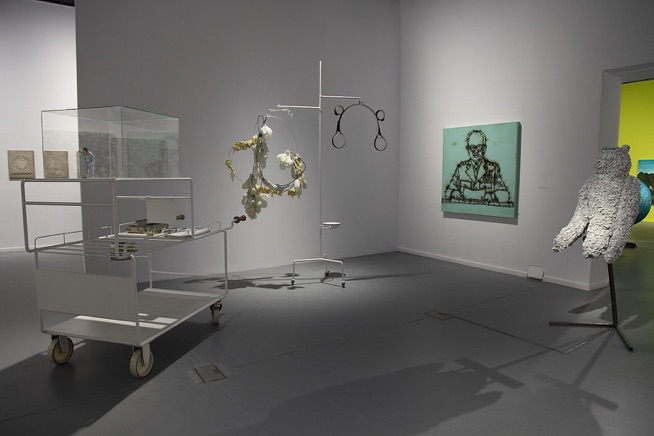
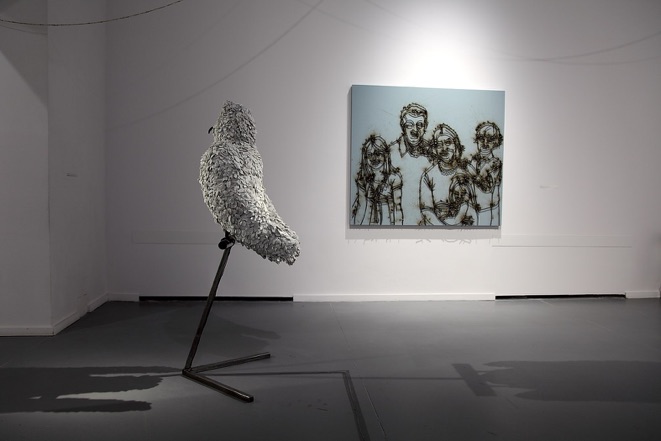
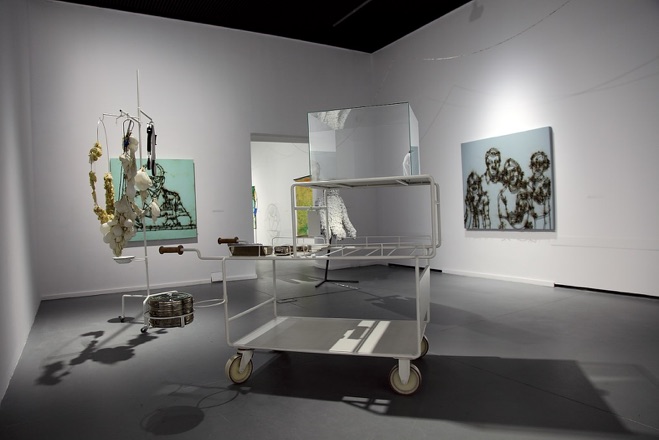
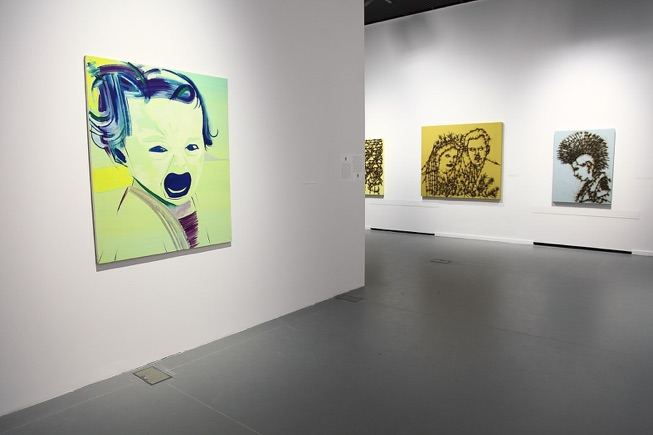
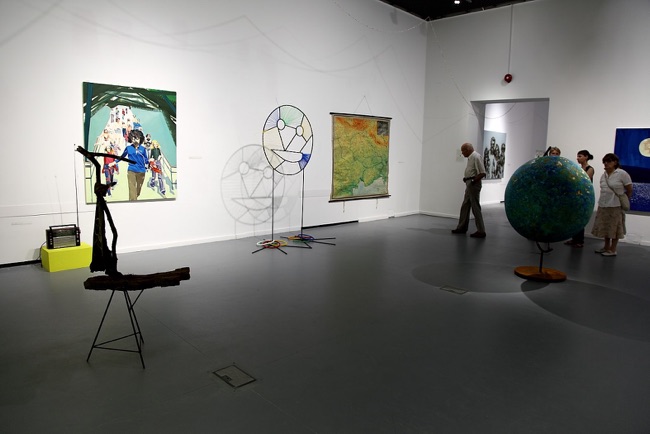
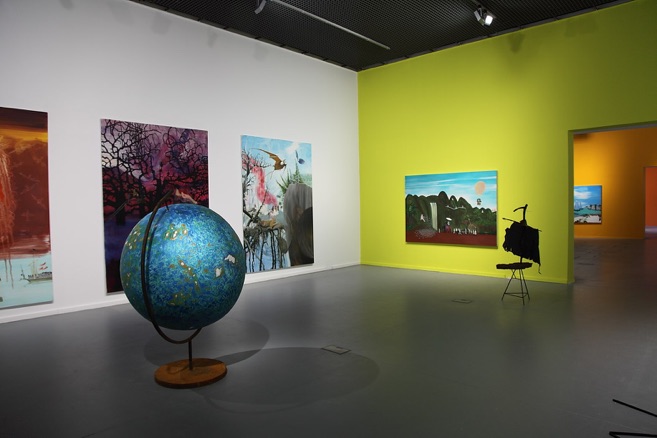
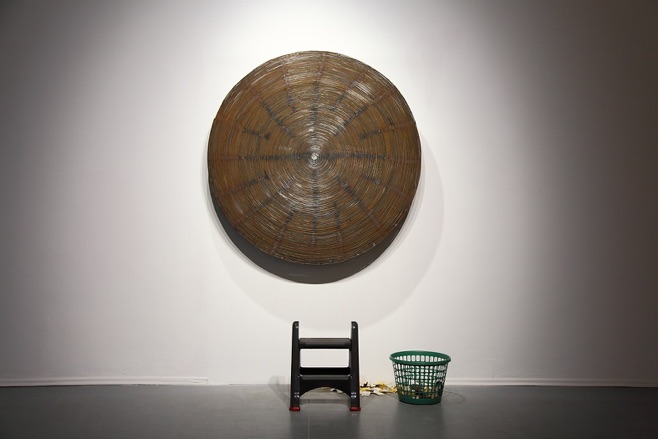
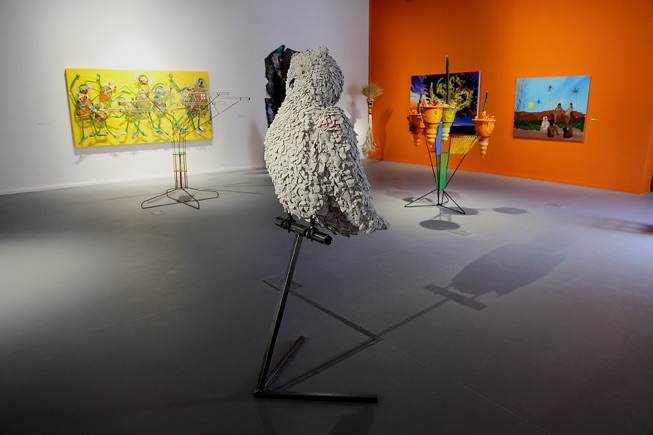
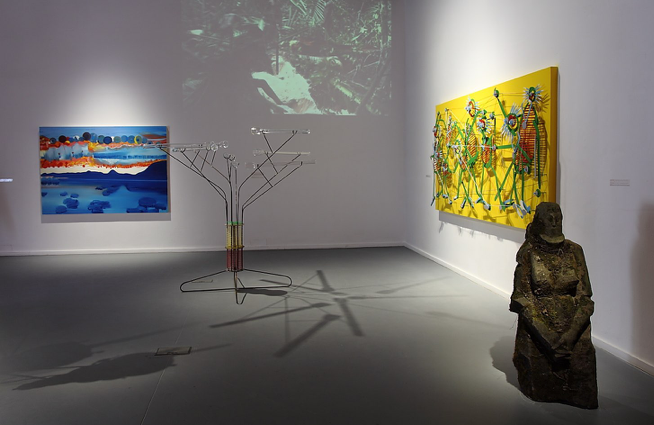
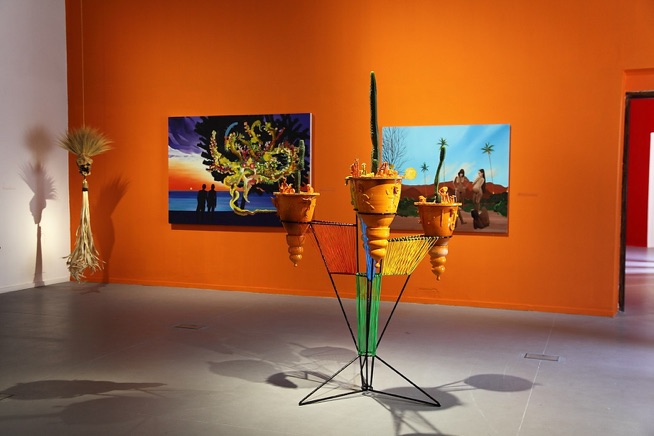
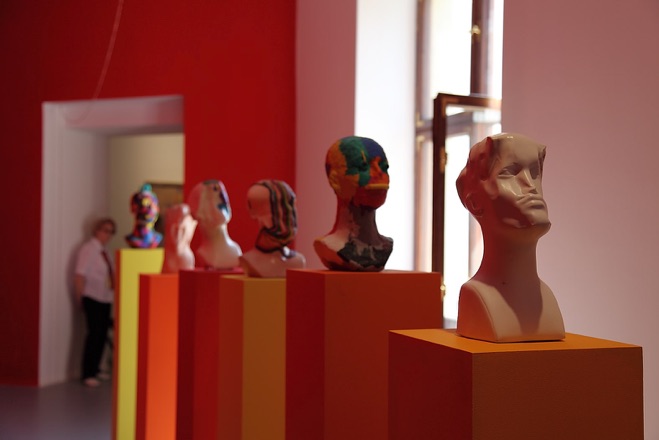
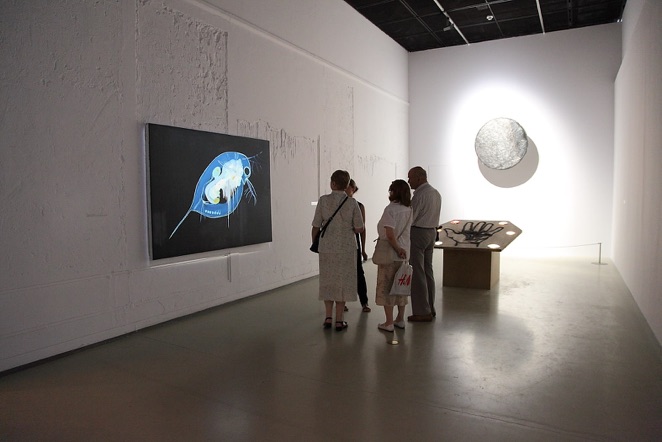
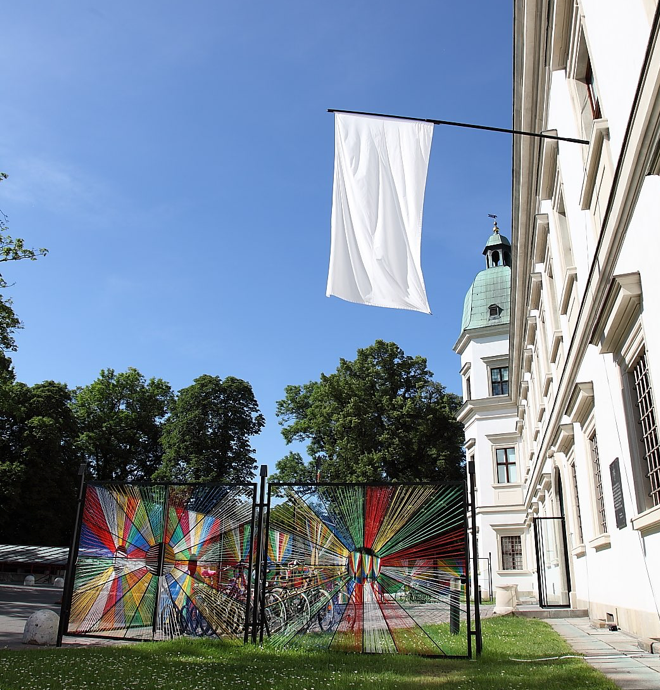
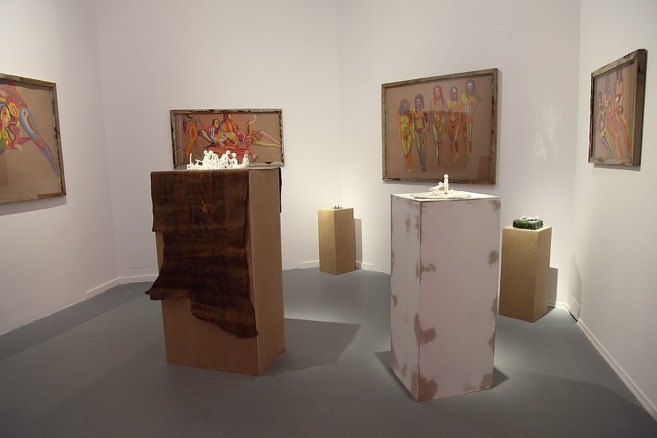
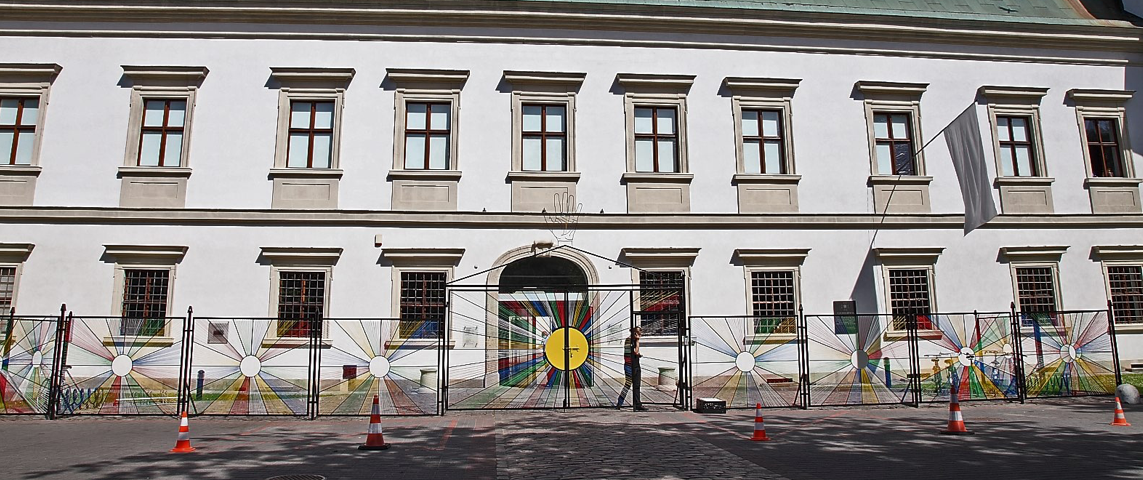
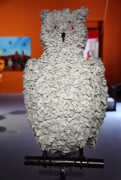
Pojawiają się w nim między innymi marmurowe sowy z laserowymi oczami, egzotyczne roślinny halucynogenne i białe sztandary wywieszone z okien warownego Zamku, a także "ambona pełna słów", która rozpoczyna wystawę. Artysta rzuca się w wir prac plastycznych: zapełnia sale wystawowe rzeźbami z drewna, dziełami metaloplastyki, wypala ceramikę, maluje obrazy. Wywozi publiczność z galerii i zaprasza na wycieczkę na peryferie miasta. Sięga pamięcią w przeszłość i wybiega myślami poza granice własnej kultury, w egzotyczne rejony, w których to co swojskie staje się obce. Wyświetla filmowe dokumenty, w których obraz niesiony jest słowem, daleko poza to, co widać na pierwszy rzut oka. Artysta opisuje ZMORY jako "bajkę", w której "to, co zbiorowe jawi się jako nocna mara a to, co indywidualne jako nieokiełznana fantazja". Wystawa, jak mówi Drozd, napędzana jest "renesansowym sposobem łączenia dyscyplin dla wyrażenia tego co romantyczne i duchowe. Nie jest to jednak wyraz dekadencji ale transowej fascynacji niesamowitością świata".

Stach Szabłowski
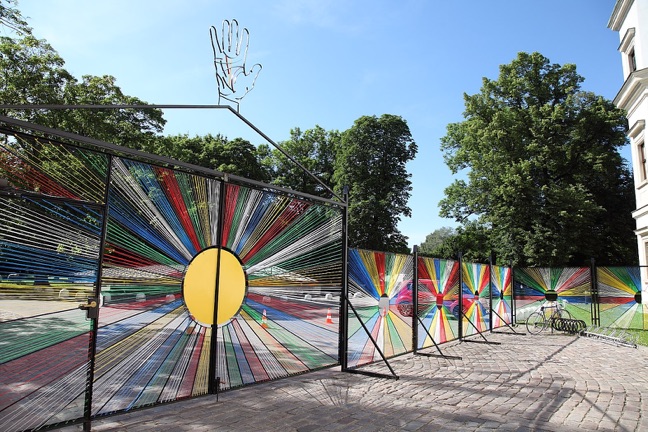


© All rights reserved Grzegorz Drozd

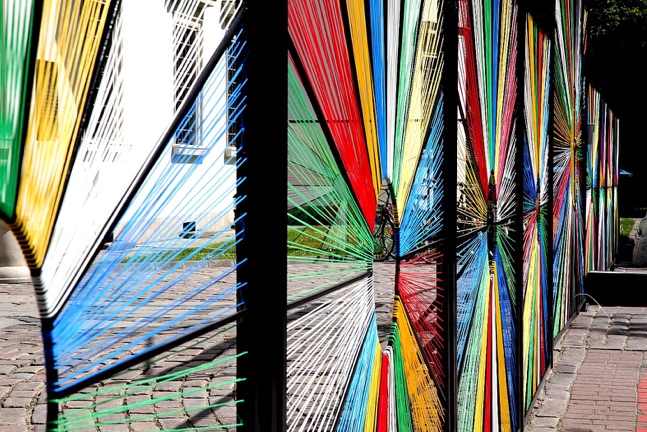
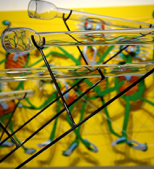
Grzegorz Drozd ,,Płot / Gate,, metal, plastik , metal plastic / widok z wystawy ,, Zmory,, Centrum Sztuki Współczesnej Zamek Ujazdowski w Warszawie / view of the exhibition Enter for Contemperary Art Ujazdowski Casel in Warsaw, 2014

Grzegorz Drozd ,,Płot / Gate,, metal, plastik , metal plastic / widok z wystawy ,, Zmory,, Centrum Sztuki Współczesnej Zamek Ujazdowski w Warszawie / view of the exhibition Enter for Contemperary Art Ujazdowski Casel in Warsaw, 2014

Who is Grzegorz Drozd?
There are many answers to this question - and all of them can be found in the exhibition NIGHTMARES. You can simply call him "an active entity underlining the unequal position of the critical individual towards the accumulation of collective consciousness." You could also call him a manipulator and a player, playing out his moves with society and its institutions. Or you could even call him a self-imposed outsider who declares that, "an artist is nothing more than a social outcast and criminal." At last, he could be described as an author of works that are vehicles of personal emotions. The need for freedom and a strong polemical instinct push him to occupy a critical attitude towards reality - mainly the reality of art.

Grzegorz Drozd's work is the furthest from the procedures that produce the next formatted elements intended to maintain the performance of art. His work is closer to the model of philosophical fiction, whose freethinking social critique and reflection lined with satirical verve are deftly combined by him with references to a swashbuckling romance. Thus, Drozd becomes kind of like Candide from the philosophical fiction - a hero - traveler, who remains in constant motion and gets caught up in new adventures on the way. In Drozd’s works, with the spirit of a "swashbuckling romance," such adventures are endless. As an act of protest at the Academy of Fine Arts in Warsaw, he walled off a corridor to force the university professors and students to relinquish the paths that they have become accustomed to in search of new ones.

He fled into the forest with Robert Kuśmirowski to confront the romantic notions of wilderness with wild reality. He blackmailed a diploma panel at the Academy of Fine Arts with an anonymous painting, demanding the highest marks they could award. He presented himself as a recidivist in photographic self-portraits. Moreover, he measured public space with the help of neon signs at the capital's East Railway Station. In the slums of Warsaw, he stigmatized the areas that are considered excluded and socially defeated using the icons of modernism . Furthermore, in Kraków, the artist threw letters that were addressed to the city’s residents from a plane; these letters were written by convicts serving time in prison. He recorded a rock album with Zbigniew Libera. He reconstructed Rembrandt's painting "The Night Watch" with officers from the Municipal Guard. With artist Alicja Łukasiak, he created the Zmiana Organizacji Ruchu (Changing of Traffic Movement) project, in which he effaced the boundaries between artistic, curatorial, and publishing practices. Not to mention the fact that the artist wandered about in Southeast Asia for three years, searching for "paradise lost" in the tropics. He returned with luggage full of experiences and the acute need to talk about what he underwent and realized.

The axis of Drozd’s philosophical fiction is the relationship of the individual with the collective. The hero of this tale - the artist, a nomad living in a settled, late-capitalist community - participates in social life, but at the same time, struggles against begin engulfed by society.

NIGHTMARES is a new episode in this tale.

Appearing in the exhibition, among others things: a marble owl with laser eyes; exotic hallucinogenic plants; white banners hung from the windows of the fortified castle; as well as a "pulpit full of words," which will commence the exhibition. The artist throws himself into the spin of visual arts; he fills the exhibition halls with sculptures created from wood, metal-works, fires ceramics, and paints. He takes the public from the gallery and invites them on a trip to the outskirts of the city. Reaching into the depths of his mind, he takes the past and runs with his thoughts beyond the boundaries of his own culture to exotic places, where that which is familiar becomes alien. He shows documentaries where the picture is carried by words, far beyond what meets the eye. The artist describes NIGHTMARES as a "fairy tale" wherein "that which is collective appears as a nightmare, and that which is individual as an unbridled fantasy." The exhibition, as Drozd says, is driven by a "renaissance way of combining disciplines to express what is romantic and spiritual. But this is not an expression of decadence, but rather a trance-like fascination with the strangeness of the world."

Stach Szabłowski


Przepowiednie

Karol Sienkiewicz